
Ice Bath Benefits: The Complete Guide
Cold water therapy has grown dramatically in popularity over recent years, with everyone from professional athletes and fitness enthusiasts to business owners and everyday homeowners incorporating ice baths into their wellness routines.
But why are so many people willingly stepping into freezing cold water?
The answer lies in the wide range of potential physical and mental benefits associated with cold water immersion. While research is still evolving, a growing body of evidence suggests that regular ice bath use may support recovery, circulation, mental wellbeing and overall health.
In this guide, we'll explore the most widely recognised ice bath benefits and explain why cold water therapy has become one of the fastest-growing wellness trends in the UK.
What Is An Ice Bath?
An ice bath, sometimes referred to as a cold plunge tub, involves immersing your body in cold water, typically between 10°C and 15°C, for a short period of time.
The sudden exposure to cold temperatures triggers a variety of physiological responses throughout the body. These responses are responsible for many of the benefits people experience following regular cold water therapy sessions.
Modern cold plunge tubs make the process significantly easier by maintaining a consistent temperature without requiring bags of ice or constant preparation.
Here's our Alaska Ice bath: https://www.premierhottubs.co.uk/hot-tubs/alaska-single-person-ice-bath/333kice
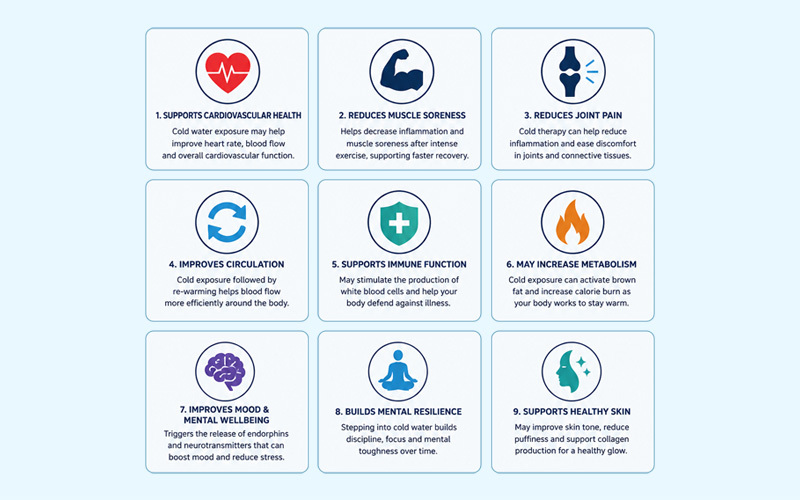
- Reduced Muscle Soreness After Exercise
Perhaps the most widely recognised benefit of an ice bath is its ability to help reduce post-exercise muscle soreness.
When you exercise intensely, tiny microscopic tears occur within muscle fibres. This process is completely normal and forms part of muscle growth and adaptation. However, it can also lead to discomfort and stiffness in the days following exercise.
Cold water immersion causes blood vessels to constrict, helping reduce inflammation and swelling within the affected tissues. Many athletes use ice baths after training sessions to help minimise delayed onset muscle soreness (DOMS) and speed up recovery between workouts.
For runners, cyclists, footballers and gym users, this is often one of the primary reasons for incorporating regular cold plunges into their routines.
- Reduced Joint Pain And Inflammation
Cold exposure can also help reduce inflammation around joints and connective tissues.
When the body is immersed in cold water, blood flow is temporarily reduced to the extremities. This process may help calm inflammatory responses and provide temporary relief from joint discomfort.
Many active individuals use ice baths following demanding training sessions or sporting activities where repetitive movements place stress on the joints.
While ice baths should never replace professional medical advice or treatment, they are commonly used as part of a broader recovery strategy.
- Improved Circulation
One of the most fascinating responses to cold water immersion is the effect it has on circulation.
When you enter an ice bath, your body responds by constricting blood vessels in the skin and extremities. This process, known as vasoconstriction, redirects blood towards the body's core and vital organs.
After leaving the ice bath, blood vessels begin to widen again in a process known as vasodilation. This encourages freshly oxygenated blood to circulate throughout the body.
Many cold water therapy enthusiasts believe this repeated vascular response contributes to improved circulation and overall cardiovascular function.
- Potential Cardiovascular Benefits
Regular exposure to cold water may support certain aspects of cardiovascular health.
Research suggests that controlled cold exposure can help train the body's cardiovascular system to adapt to environmental stressors. The body becomes more efficient at regulating temperature, circulation and blood flow.
Some studies have linked regular cold water immersion with reductions in certain risk factors associated with cardiovascular disease, although further research is ongoing.
As with any health-related practice, individuals with pre-existing cardiovascular conditions should consult a healthcare professional before beginning cold water therapy.
- Support For The Immune System
Another frequently cited benefit of cold water therapy is its potential impact on immune function.
Some research has suggested that regular cold exposure may stimulate certain immune responses and increase the production of white blood cells, which play an important role in defending the body against illness.
While cold plunges are certainly not a substitute for a healthy lifestyle, many regular users report feeling more resilient and generally healthier when cold water therapy forms part of their routine.
- Increased Mental Resilience
Stepping into cold water is rarely comfortable.
However, repeatedly choosing to expose yourself to controlled discomfort can help build mental toughness and resilience over time.
Many people find that completing a cold plunge creates a sense of accomplishment and discipline that carries over into other aspects of life.
This psychological benefit is one reason cold water therapy has become increasingly popular among entrepreneurs, executives, athletes and high performers.
- Improved Mood And Mental Wellbeing
One of the most immediate effects of an ice bath is the way it can make you feel afterwards.
Cold water immersion stimulates the release of endorphins and other neurotransmitters associated with positive mood and wellbeing. Many users describe feeling energised, focused and mentally refreshed after a cold plunge session.
Early research into cold water therapy and mental health continues to produce encouraging results, although further studies are required to fully understand the relationship.
Many users report that regular cold plunges help reduce stress levels and improve their overall sense of wellbeing.
- Potential Metabolic Benefits
Exposure to cold temperatures requires the body to work harder to maintain its core temperature.
This process increases energy expenditure and activates certain physiological mechanisms involved in heat production.
Although an ice bath should never be viewed as a weight-loss solution, some research suggests that cold exposure may contribute to increased calorie expenditure and metabolic activity.
For many users, this represents an additional benefit alongside recovery and wellbeing.
- Healthier Skin Appearance
Cold water can have a temporary tightening effect on the skin and blood vessels near the surface.
Many people report reduced puffiness and a fresher appearance following cold exposure.
Some researchers also believe that cold water therapy may stimulate collagen production, which plays an important role in maintaining skin elasticity and appearance.
While more research is needed, healthier-looking skin is often cited as an additional benefit of regular cold plunging.
How To Get Started With Ice Baths
If you're new to cold water therapy, it's important to start gradually.
Begin with short sessions of around 30 to 60 seconds and allow your body time to adapt. As your tolerance increases, you can gradually build towards longer immersions.
Most experts recommend spending no more than 10 to 15 minutes in an ice bath.
Consistency is often more important than duration. Many people find that two to three sessions per week is enough to experience the benefits of cold water therapy.
Why A Dedicated Ice Bath Makes Sense
While it's possible to create a makeshift ice bath using a bathtub or portable container, dedicated cold plunge tubs offer several significant advantages.
A premium ice bath provides:
- Reliable temperature control
- Built-in chilling systems
- Improved water hygiene
- Better insulation
- Greater comfort
- Convenience and consistency
For anyone serious about incorporating cold water therapy into their long-term wellness routine, investing in a purpose-built ice bath can make the experience significantly easier and more enjoyable.
The luxury Alaska Ice Bath from Premier Hot Tubs combines a built-in chiller, circulation system, massage jets and premium construction to deliver a professional-quality cold plunge experience at home. You can learn more about the Alaska Ice Bath here.
Final Thoughts
Ice baths have evolved from a recovery tool used primarily by elite athletes into a mainstream wellness practice enjoyed by people from all walks of life.
From supporting muscle recovery and circulation to improving mental resilience and overall wellbeing, regular cold water therapy offers a wide range of potential benefits.
Whether you're a runner, cyclist, golfer, gym enthusiast or simply looking for a new way to support your health, cold plunging could become a valuable addition to your weekly wellness routine.