Call Us Today For Helpful Advice: 01603 45 45 45

Author: joel

Ice Bath vs Cold Shower: Which Is Better?

Cold water therapy has become one of the most popular wellness trends in recent years. From elite athletes and fitness enthusiasts to busy professionals looking to improve their wellbeing, more people are embracing the benefits of cold exposure.

But if you're new to cold water therapy, one question often comes up:
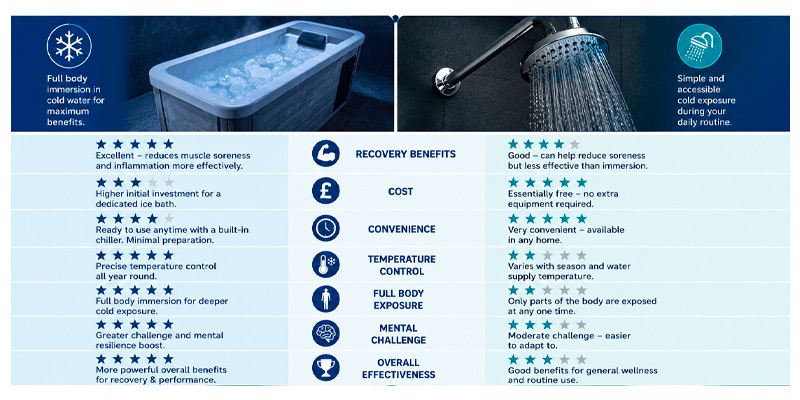
Should you choose an ice bath or a cold shower?

Both methods expose the body to cold temperatures and can offer a range of physical and mental benefits. However, there are some important differences between the two.

In this guide, we'll compare ice baths and cold showers side by side to help you decide which option is right for your lifestyle, recovery goals and wellness routine.

What Is A Cold Shower?

A cold shower involves showering using cold water, usually at the lowest temperature available from your domestic water supply.

For most people in the UK, cold shower temperatures typically range between 8°C and 15°C depending on the season and location.

Cold showers are simple, accessible and require no specialist equipment, making them a popular introduction to cold water therapy.

What Is An Ice Bath?

An ice bath, also known as a cold plunge, involves immersing a significant portion of your body in cold water for a short period of time.

Unlike a cold shower, where water flows over the skin, an ice bath surrounds your body with cold water, creating a much greater cooling effect.

Modern ice baths often feature built-in chillers, circulation systems and insulation to maintain a precise temperature and provide a consistent cold water therapy experience.

Ice Bath vs Cold Shower: The Key Differences

Level of Cold Exposure

One of the biggest differences between an ice bath and a cold shower is the amount of cold exposure your body receives.

With a cold shower, only the areas directly under the water stream are exposed to the cold temperature at any given moment.

In an ice bath, much of your body is fully immersed in cold water simultaneously.

This full-body immersion generally creates a stronger physiological response, which is why many athletes and recovery specialists prefer cold plunges.

Winner: Ice Bath

Muscle Recovery

If your primary goal is post-exercise recovery, an ice bath typically has the advantage.

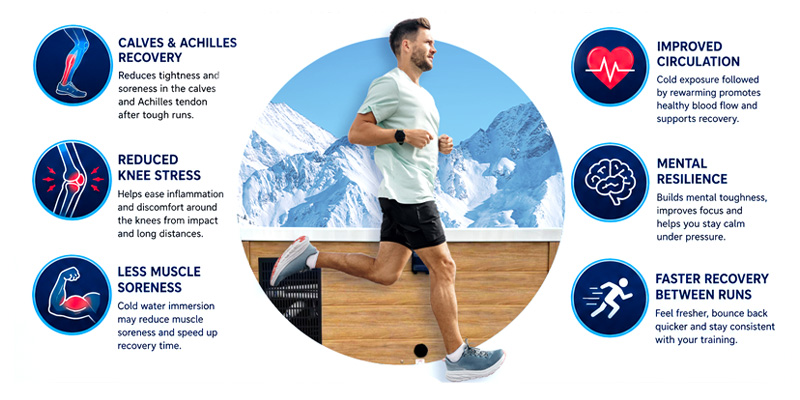
Cold water immersion helps reduce inflammation and may decrease muscle soreness after intense physical activity.

Because the body is fully submerged, the cooling effect is more uniform and effective than a cold shower.

Many professional sports teams and athletes use ice baths specifically to support recovery between training sessions and competitions.

Winner: Ice Bath

Convenience

Cold showers are undoubtedly the easiest option.

Almost everyone already has access to a shower, and there is no additional equipment required.

You can simply turn the temperature down and begin immediately.

An ice bath requires dedicated equipment or preparation, although permanent cold plunge tubs eliminate much of the effort involved.

Winner: Cold Shower

Temperature Consistency

One challenge with cold showers is that temperatures vary depending on the season, plumbing system and local water supply.

An ice bath with a built-in chiller allows precise temperature control all year round.

This consistency makes it easier to follow a structured cold therapy routine.

Winner: Ice Bath

Mental Challenge

Both methods require mental discipline.

However, many people find full-body immersion significantly more challenging than standing under a cold shower.

The initial shock of entering an ice bath can feel intense, but successfully completing a cold plunge often creates a greater sense of achievement and resilience.

Winner: Ice Bath

Cost

Cold showers are essentially free.

An ice bath represents a larger investment, particularly if you choose a premium cold plunge tub with built-in chilling and filtration systems.

However, many users view this investment as worthwhile because of the convenience, comfort and enhanced effectiveness.

Winner: Cold Shower

Comparison Table

Feature

Cold Shower

Ice Bath

Cost

Excellent

Good

Convenience

Excellent

Good

Recovery Benefits

Good

Excellent

Temperature Control

Fair

Excellent

Full Body Exposure

Limited

Excellent

Mental Challenge

Good

Excellent

Long-Term Wellness Routine

Good

Excellent

Benefits Shared By Both

Regardless of which option you choose, both cold showers and ice baths may provide benefits such as:

  • Improved circulation
  • Reduced muscle soreness
  • Increased alertness
  • Enhanced mood
  • Better mental resilience
  • Potential immune system support
  • Improved recovery after exercise

For many people, the most important factor is consistency. A regular cold water therapy routine is often more beneficial than occasional extreme exposure.

Why More People Are Choosing Ice Baths

While cold showers remain a great starting point, dedicated ice baths have become increasingly popular because they provide a more controlled and immersive experience.

A purpose-built ice bath offers:

  • Consistent temperatures
  • Full-body immersion
  • Greater recovery benefits
  • Improved comfort
  • Better hygiene and water management
  • Easier integration into a long-term wellness routine

Instead of relying on seasonal water temperatures or bags of ice, a modern cold plunge tub can be ready whenever you need it.

Is A Portable Ice Bath Enough?

Portable ice baths can be an affordable introduction to cold plunging, but they often come with limitations.

Many require frequent filling and emptying, manual temperature management and regular cleaning.

For people who plan to use cold water therapy several times per week, a permanent ice bath with a built-in chiller offers a significantly more convenient experience.

Our Recommendation

If you're completely new to cold water therapy, starting with cold showers can be an excellent way to build confidence and experience some of the benefits of cold exposure.

However, if your goal is to maximise recovery, enjoy consistent temperatures and make cold water therapy a regular part of your wellness routine, a dedicated ice bath is generally the superior option.

The Alaska Ice Bath from Premier Hot Tubs combines a built-in chiller, circulation system, massage jets and premium construction to provide a luxury cold plunge experience at home.

You can view the Alaska Ice Bath here:
https://www.premierhottubs.co.uk/hot-tubs/alaska-single-person-ice-bath/333kice

Final Verdict

Cold showers and ice baths both have their place within a healthy lifestyle.

Cold showers are accessible, affordable and easy to incorporate into a daily routine. Ice baths, however, provide a deeper level of cold exposure, more effective recovery support and greater long-term convenience.

For occasional cold therapy, a cold shower may be all you need.

For serious recovery, performance and wellness enthusiasts, an ice bath is often the better investment.

Plug & Play Hot Tub

A 'plug and play' hot tub is a 13 amp spa that can be plugged into a standard outdoor socket, giving you a straightforward and convenient way to enjoy hot tubbing at home.

If you're researching hot tubs for the first time, you're likely to come across the term 'plug and play' more than once. But what does it actually mean? And is a plug and play hot tub the right choice for you?

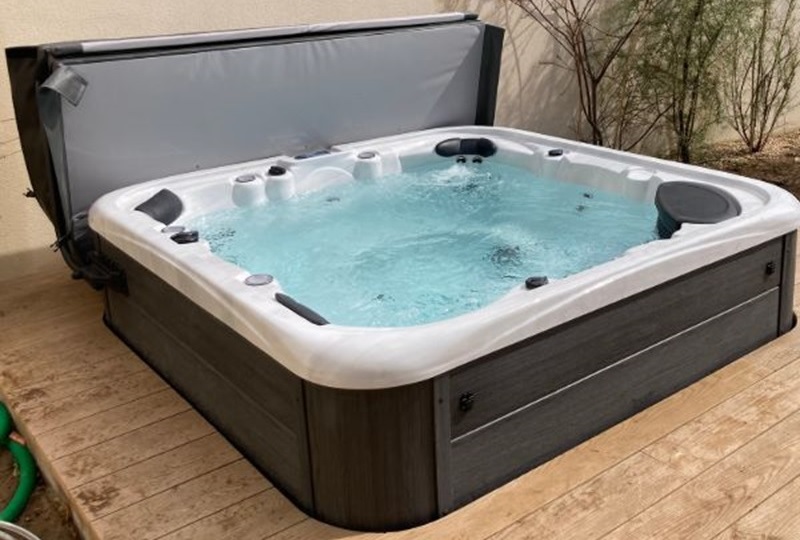
PICTURED: Bermuda 6–7 Person Hot Tub from our Plug & Play range

In this guide, we'll explain everything you need to know so that you can make an informed decision.

Hot tub drain valve

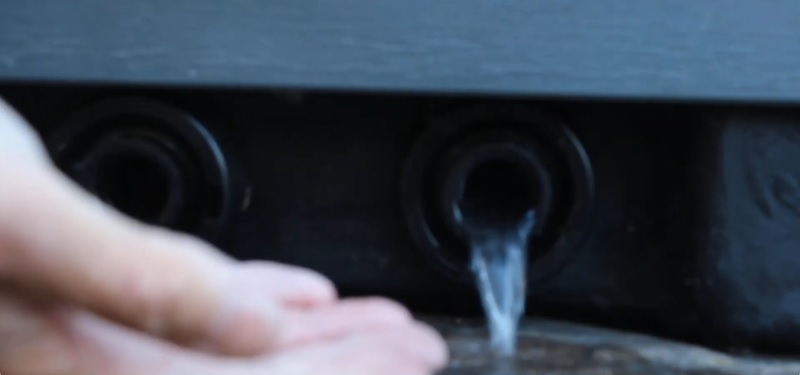
SHORT ANSWER: To empty your hot tub, you can either use the tub's built-in drain valve or a submersible pump. We generally recommend using a pump because it's much faster (a submersible pump can typically drain a hot tub in just 10 to 15 minutes) and because you're less likely to get airlocks and error codes.

Draining your hot tub is a routine part of proper spa maintenance. Emptying your tub correctly will save time, help protect the internal components, and make the whole cleaning and refilling process much easier.

In this guide, we will explain how to empty your hot tub safely, where to find the drain valve, and why we usually recommend using a submersible pump instead.

how often to replace a hot tub cover

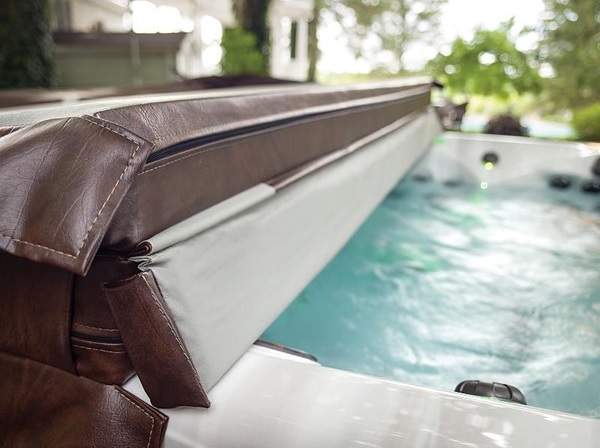
You should replace your hot tub cover every 4 to 6 years, depending on how well it is maintained.

Hot tub covers are very useful because they keep the heat in while keeping rain and debris out. Unfortunately, though, they do wear over time and will eventually need to be replaced.

If you aren’t sure how often to replace your hot tub cover, let us help you with our quick guide.

Best Ice Bath Temperature: The Complete Guide

One of the most common questions people ask when starting cold water therapy is:

"What is the best temperature for an ice bath?"

The answer depends on your experience level, comfort and recovery goals. While many people assume colder is always better, that isn't necessarily true.

In fact, extremely cold water can be uncomfortable, difficult to tolerate and, in some cases, counterproductive. Finding the right balance is the key to enjoying the benefits of cold water therapy safely and effectively.

In this guide, we'll explain the ideal ice bath temperature range, how long you should stay in an ice bath at different temperatures, and how to find the sweet spot for your cold plunge routine.

What Temperature Should An Ice Bath Be?

For most people, the ideal ice bath temperature is:

10°C to 15°C

This temperature range is cold enough to trigger the physiological responses associated with cold water therapy while remaining manageable for most users.

Many experts recommend beginners start towards the warmer end of this range before gradually reducing the temperature as they become more comfortable.

Quick Temperature Guide

Water Temperature

Experience Level

15°C

Beginner

12°C - 14°C

Intermediate

8°C - 11°C

Advanced

Below 8°C

Experienced Users Only


For most people, there is little additional benefit in going dramatically colder than 10°C.

Consistency is generally more important than extreme temperatures.

Why Temperature Matters

When you enter cold water, your body responds immediately.

The cold causes blood vessels near the skin to constrict, reducing blood flow to the extremities and directing circulation towards the body's core.

This response is believed to contribute to many of the benefits associated with cold water therapy, including:

  • Reduced muscle soreness
  • Improved circulation
  • Increased alertness
  • Enhanced recovery
  • Improved mental resilience

If the water isn't cold enough, these responses may be less pronounced.

If the water is excessively cold, the experience can become unnecessarily stressful and difficult to maintain as a regular habit.

The goal is to find a temperature that is effective but sustainable.

Is Colder Always Better?

No.

This is perhaps the biggest misconception surrounding ice baths.

Many people believe they need near-freezing water to experience meaningful results.

In reality, research suggests that water temperatures between 10°C and 15°C are sufficient for most recovery and wellness purposes.

A temperature of 4°C may sound impressive, but it is significantly more challenging and often offers little practical advantage for the average user.

Most people are far more likely to maintain a regular cold water therapy routine when the experience remains challenging but manageable.

Best Ice Bath Temperature For Beginners

If you're new to cold plunging, start at approximately:

15°C

This temperature is cold enough to provide the benefits of cold water therapy while allowing your body time to adapt.

Your first few sessions should be relatively short, typically between 30 seconds and 2 minutes.

As your confidence grows, you can gradually reduce the temperature or increase the duration of your sessions.

Many beginners make the mistake of going too cold too quickly.

Building tolerance gradually usually leads to a more enjoyable and sustainable experience.

Best Ice Bath Temperature For Recovery

For muscle recovery and post-exercise soreness, most experts recommend:

10°C to 12°C

This range is commonly used by athletes and sports recovery professionals.

The water is cold enough to help reduce inflammation and support recovery while remaining tolerable for several minutes of immersion.

This temperature range is often considered the sweet spot for balancing effectiveness and comfort.

Best Temperature For Mental Resilience

Many people use cold water therapy to improve discipline, focus and mental resilience.

For these users, temperatures between:

8°C and 12°C

are often preferred.

The colder water creates a greater psychological challenge while still remaining within a controlled and manageable range.

However, it's important to prioritise safety over intensity.

How Long Should You Stay In An Ice Bath?

The colder the water, the shorter the recommended session.

General guidance is:

Temperature

Recommended Time

15°C

5-15 minutes

12°C

3-10 minutes

10°C

3-8 minutes

8°C

2-5 minutes

For most people, there is rarely a need to exceed 10 to 15 minutes.

Quality and consistency are more important than endurance.

Why Consistent Temperature Is Important

One challenge with traditional DIY ice baths is maintaining a reliable temperature.

As soon as you enter the water, the temperature begins to rise. External weather conditions can also affect the water significantly.

This creates an inconsistent experience.

A dedicated cold plunge tub with a built-in chiller helps maintain a stable temperature throughout your session, ensuring you receive the same experience every time.

Consistency allows you to track progress, build a routine and optimise your cold water therapy practice.

Why A Built-In Chiller Makes A Difference

Many people begin with a bathtub or portable ice bath.

While these can be effective, they often require:

  • Buying bags of ice
  • Frequent refilling
  • Manual temperature monitoring
  • Additional cleaning

A premium ice bath with an integrated chiller removes these inconveniences.

The water remains at your chosen temperature and is ready whenever you need it.

The Alaska Ice Bath from Premier Hot Tubs features a built-in chiller, circulation system and advanced insulation, allowing you to enjoy a consistent cold plunge experience without the hassle of manually managing the temperature.

You can view the Alaska Ice Bath here:

https://www.premierhottubs.co.uk/hot-tubs/alaska-single-person-ice-bath/333kice

Common Ice Bath Temperature Mistakes

Going Too Cold Too Soon

Beginners often assume colder is better.

Starting at a more manageable temperature helps build confidence and consistency.

Staying In Too Long

More time doesn't always mean better results.

Excessively long sessions can increase discomfort and risk.

Chasing Extreme Temperatures

Social media has popularised near-freezing ice baths, but these are unnecessary for most users.

The majority of benefits can be achieved at much more practical temperatures.

Inconsistent Temperature Control

If your water temperature changes significantly from session to session, it becomes difficult to develop a structured routine.

Final Thoughts

The best ice bath temperature for most people falls between 10°C and 15°C.

This range offers an excellent balance between comfort, safety and effectiveness, making it ideal for recovery, wellness and regular cold water therapy.

While experienced users may occasionally choose colder temperatures, consistency is far more important than extremes.

If you're serious about incorporating cold water therapy into your lifestyle, investing in an ice bath with reliable temperature control can make the experience significantly more convenient and enjoyable.

Start gradually, stay consistent and focus on building a sustainable routine that works for you.

 Read our blog on how long you should stay in an ice bath here:  https://www.premierhottubs.co.uk/latest-news/post/how-long-should-you-stay-in-an-ice-bath